
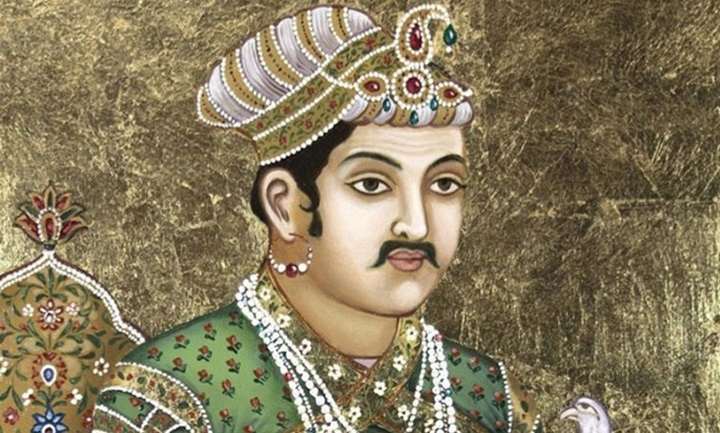
Akbar, also known as Jalal-ud-din Muhammad Akbar, was the third emperor of the Mughal Empire and one of the wealthiest and most powerful rulers in Indian history. Known for his military conquests, administrative reforms, and cultural patronage, his empire generated massive wealth during his reign.
Akbar’s Net Worth (Historical Estimate)
While net worth in the modern sense didn’t exist during Akbar’s time (1542–1605), historians estimate his empire’s economic output and personal wealth in today’s value to be around $21 billion USD (adjusted for inflation and gold value).
Source of Wealth
| Source | Estimated Value (Modern USD Equivalent) |
| Imperial Treasury (Gold, Silver) | $10 billion |
| Tax Revenue & Trade Surplus | $7 billion |
| Land Holdings & Agricultural Output | $3 billion |
| Art, Architecture, and Jewels | $1 billion |
| Estimated Total Wealth | $21 billion |
Akbar’s wealth came from a vast empire, structured taxation, trade, and control of key Indian regions.
Akbar Biography and Early Life

Akbar was born on October 15, 1542, in Umerkot, present-day Pakistan. He was crowned emperor at the age of 13 after the death of his father, Humayun. Despite being illiterate, he became known for his intelligence, leadership, and inclusive policies.
Personal Information
| Category | Details |
| Full Name | Jalal-ud-din Muhammad Akbar |
| Akbar Also Known As | Akbar the Great |
| Akbar Date of Birth | October 15, 1542 |
| Akbar Place of Birth | Umerkot, Sindh (now in Pakistan) |
| Akbar Date of Death | October 27, 1605 |
| Akbar Profession | Mughal Emperor |
| Akbar Famous For | Expanding the Mughal Empire, Religious Tolerance |
Akbar Career and Reign
Akbar reigned from 1556 to 1605, during which the Mughal Empire expanded to cover most of the Indian subcontinent. He implemented administrative reforms, centralized governance, and encouraged arts and architecture.
Notable Achievements & Reign Highlights
| Event/Project | Year |
| Became Emperor | 1556 |
| Defeated Hemu at Second Battle of Panipat | 1556 |
| Founded Din-i Ilahi (Spiritual Movement) | 1582 |
| Established Fatehpur Sikri as Capital | Late 1570s |
Akbar Major Career Highlights
- Expanded the Mughal Empire through strategic diplomacy and warfare.
- Introduced a fair taxation system (Zabt).
- Promoted religious harmony through policies of tolerance.
- Built architectural marvels like Fatehpur Sikri and Buland Darwaza.
Administrative and Economic Innovations
Akbar revolutionized administration in India with a centralized yet inclusive model. His policies laid the foundation for efficient taxation, land revenue systems, and cultural integration.
Economic Systems Introduced
- Mansabdari System – Ranking system for military and civil officers.
- Zabt Revenue System – Land revenue assessment based on productivity.
- Trade & Commerce Promotion – Strengthened ties with Central Asia, Persia, and Europe.
Akbar Luxury Assets and Imperial Lifestyle
As emperor, Akbar lived in grand palaces, owned vast amounts of gold and jewels, and maintained one of the richest courts in the world.
Palaces and Properties
| Property | Description |
| Fatehpur Sikri | Grand Mughal capital city |
| Agra Fort | Political and military stronghold |
| Lahore Fort | Major residence in Punjab |
| Imperial Treasury & Artifacts | Included Koh-i-Noor & other gems |
Akbar Royal Collection
| Asset Type | Estimated Historical Value |
| Gold & Silver Coins | 100+ tons |
| Elephants & Horses | Thousands in royal stables |
| Gemstones & Jewelry | Priceless (inc. Koh-i-Noor) |
| Manuscripts & Art | Extensive, Mughal Miniature Collection |
Akbar Family Background and Personal Life

Akbar belonged to the Timurid dynasty, descending from both Timur and Genghis Khan. He married multiple women from different regions and faiths, forging alliances across India.
Family Members
| Family Member | Relationship |
| Humayun | Father (2nd Mughal Emperor) |
| Bairam Khan | Guardian & Mentor |
| Mariam-uz-Zamani (Jodha Bai) | Wife & Hindu Rajput Princess |
| Jahangir (Salim) | Son & Successor |
Akbar’s relationships helped him secure loyalty and build a diverse court.
Akbar Legacy and Cultural Impact
Akbar is remembered as one of India’s most enlightened rulers. His legacy lives on through monuments, governance systems, and historical chronicles like the Ain-i-Akbari and Akbarnama.
Contributions to Culture and Society
- Supported arts, literature, and music.
- Emphasized secularism and interfaith dialogue.
- Championed education and justice for all classes.
Frequently Asked Questions (FAQ) Akbar
What was Akbar’s net worth?
In modern economic terms, his estimated wealth would be around $21 billion, accumulated from taxes, land, trade, and precious assets.
What was Akbar best known for?
He was best known for expanding the Mughal Empire, promoting religious tolerance, and implementing effective administrative reforms.
Did Akbar own the Koh-i-Noor diamond?
Yes, during his reign, the Koh-i-Noor diamond was part of the imperial treasury.
How many wives did Akbar have?
Historical records suggest Akbar had several wives, many of whom were from royal families across India, forming political alliances.
What are Akbar’s major achievements?
- Founded Fatehpur Sikri
- Expanded Mughal control over most of India
- Instituted the Din-i Ilahi
- Reformed the taxation and administrative systems


